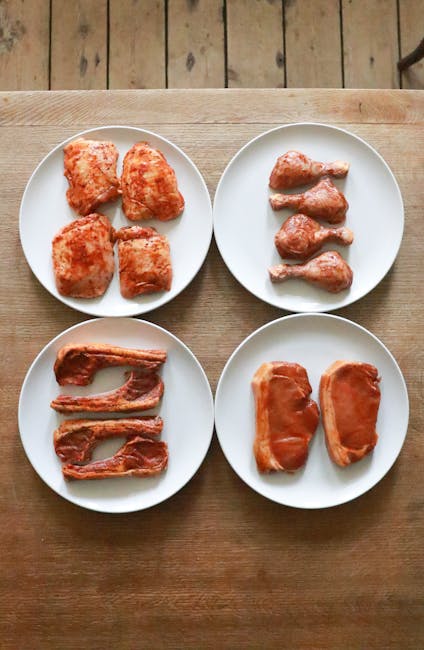
Grocery bills have a way of creeping up, especially when the meat aisle is the most expensive stop on the list. Buying in bulk looks like an obvious fix: a whole rump, a lamb shoulder or a box of chicken thighs often costs less per kilogram than neat supermarket packs. But bulk meat only saves you money when you cut it, portion it and store it properly. If it ends up as a frost-covered brick at the back of the freezer, the savings disappear.
The good news is that you do not need a commercial kitchen or a butcher's qualification. With a sharp knife, a clean bench, a few freezer supplies and a sensible plan, you can turn one big buy into weeks of affordable meals. This guide walks through how to break down bulk meat safely, package it for the freezer and make the savings real rather than theoretical.
Why Buying in Bulk Doesn't Always Save Money
Bulk buying is not automatically cheaper. The sticker price might be lower per kilogram, but the true cost depends on how much you actually eat, how much you waste and how much freezer space you have. A bargain box of meat that is too large for your household can lead to rushed meals, poor thawing habits and eventually a clean-out that goes straight into the bin.
There is also the upfront cost. Spending $150 in one shop can feel painful even if it replaces three smaller shops. The savings show up over the following weeks, not at the checkout. It helps to compare cost per kilogram and cost per meal, not just the total on the docket.
The biggest hidden cost is waste. Meat that is frozen in one giant lump, stored in a thin bag or left too long develops freezer burn. Trimmed edges may be cut away, and flavour and texture suffer. Cut and store bulk meat in meal-sized portions and you protect both the quality and your budget.
Before You Start: Plan, Chill and Set Up
Start with a plan rather than a shopping trolley full of bargains. Check what is already in the freezer, decide which meals your household actually eats and work out how many servings you need per week. A simple meal plan for two weeks is enough to show whether a bulk buy will be used or merely stored.
Choose cuts that suit multiple meals. A whole beef rump can become steaks, stir-fry strips and diced beef. A pork shoulder can be roasted, sliced for sandwiches and diced for slow-cooked dishes. Chicken thighs can be cooked whole, sliced for stir-fries or minced if you have a mincer. Ask the butcher to trim, bone or cube the meat if that makes the job easier; many will do it at no extra charge.
Set up a safe work area before unwrapping anything. Use a clean chopping board, a sharp knife and a second board for any vegetables. Keep the meat cold and work in small batches if the weather is warm. Wash your hands, sanitise the bench and have freezer bags, labels, a marker and a kitchen scale within reach. Food safety is not a bonus feature of bulk buying; it is the foundation.
Choose the Right Cuts for Your Household
The best bulk buy depends on how you cook. If you rely on quick weeknight meals, buy cuts that can be sliced thin, diced or cooked fast. If you love slow cookers and roasts, larger cuts and bone-in pieces can be excellent value. Mince is versatile, but it also has a shorter freezer life than whole muscle meat.
Consider the fat content and bone weight. A lamb leg with the bone in may be cheaper per kilogram, but you are paying for bone and needing to carve around it. Boneless cuts cost more upfront but give a higher yield. Neither is wrong; just compare the usable meat, not only the price tag.
It also pays to buy meat that is already cold and fresh. If you are driving home on a hot day, take an esky or insulated bag. Put the meat in the fridge as soon as you get home, and if you cannot cut it straight away, keep it cold and work within a day or two.
How to Break Down Bulk Meat Safely
Break the job into stages instead of trying to cut everything at once. First, clear the bench and set out your equipment. Second, trim any unwanted fat, sinew or silver skin, keeping useful trim for stock or mince. Third, cut the meat into the portions you will actually cook. Fourth, package and label each portion before moving on to the next batch.
Cut against the grain for steaks and stir-fry strips. This shortens the muscle fibres and makes cheaper cuts more tender. For diced meat, aim for even cubes so they cook at the same rate. For roasts, tie or net the meat if needed and keep the shape as even as possible. Sharp knives matter: a dull blade slips, crushes the meat and makes the job take longer.
Use separate boards and knives for raw meat and anything ready to eat. Clean and sanitise the board, knife and bench with hot soapy water after each batch. If you are handling a large amount, wash your hands often and keep the uncut meat in the fridge until you are ready for it. Do not leave meat sitting on the bench while you answer the door or take a phone call.
Turn One Cut into Several Meals
A single bulk cut can supply more than one type of meal. A beef rump, for example, can be sliced into steaks for grilling, cut into strips for stir-fries and cubed for pies or curries. The thinner ends and offcuts can be minced or sliced thinly for sandwiches. This variety keeps the menu interesting and helps you avoid cooking the same thing for a fortnight.
Chicken is especially flexible. Thigh fillets can be left whole for tray bakes, sliced for stir-fries or diced for skewers. Wings and drumsticks can be marinated and frozen in meal-sized bags. Bones and skin can be simmered into stock, which adds flavour to soups and risottos at almost no extra cost. If you have a mincer, trim can become sausage meat or burger patties.
Pork shoulder is another budget hero. Cut a large roast, some thick steaks and a pile of cubes for slow cooking. The cubes can be frozen with a marinade so that dinner is simply a matter of thawing and tipping into a pot. Labelling each portion with its intended use saves you from staring into the freezer at 6pm wondering what to cook.
Portioning and Packaging for the Freezer
Portion by meal, not by weight alone. A family of four might need 500 grams of stir-fry strips, four steaks or a 1.5-kilogram roast. If you live alone, freeze single serves or two-serve portions so you are not forced to thaw more than you need. Write the portion size and intended meal on the bag.
Remove as much air as possible. Vacuum sealing is excellent for long storage, but good-quality freezer bags work well if you press out the air and seal them tightly. For mince and diced meat, flatten the bag into a thin layer; it freezes faster, stacks neatly and thaws evenly. Place bags on a tray and freeze flat before stacking them like books.
Label everything with the date, contents and weight. A marker on a freezer bag is not glamorous, but it is the difference between a well-run freezer and a lucky dip. Use clear containers for meatballs or pre-portioned stews, and leave a little headspace for expansion. Keep raw meat on the bottom shelf of the freezer so any drips cannot contaminate ready-to-eat food.
Freezer Storage Times and Quality
Freezing keeps meat safe indefinitely if the freezer stays at -18°C or below, but quality declines over time. As a guide, whole cuts of beef and lamb are best used within 4 to 12 months, pork within 4 to 6 months, chicken portions within 6 to 9 months and mince within 3 to 4 months. Cooked meat dishes are best within 2 to 3 months.
These are quality guides rather than strict safety deadlines. A freezer-burned steak is not necessarily unsafe, but it will be dry and dull. The answer is to rotate your stock: use the oldest packages first and keep a simple list on the freezer door or your phone. When you add a new batch, move the older portions to the front.
Temperature matters. A freezer that is packed too tightly cannot circulate cold air, and a freezer that is nearly empty runs less efficiently. Leave some space for air flow, but not so much that the freezer struggles. Check the door seal and keep the freezer away from direct heat.
Thawing and Using Bulk Meat Without Waste
Thaw meat in the fridge, not on the bench. Place the package on a plate or in a container on the bottom shelf and allow enough time. A small portion may thaw overnight; a large roast can take a day or more. Once thawed, use it within one to two days unless you are cooking it immediately. Never refreeze thawed meat unless it has been cooked.
Plan the week around what needs using. If you thaw a large portion of mince, cook it all and use half for spaghetti sauce and half for tacos or rissoles. Leftover roast meat can become sandwiches, fried rice or a quick curry. The freezer is a tool, not a museum; meat should move through it regularly.
Keep a few emergency meals in the freezer for nights when takeaway is tempting. Pre-cooked meatballs, marinated chicken portions, browned mince and slow-cooked stews can all save a takeaway order. That is where the real savings often hide: not just in the price per kilogram, but in the number of times you avoid spending $40 on delivery.
The Real Savings: Cost per Meal, Less Waste and Fewer Takeaway Nights
To see whether bulk buying is working, track the cost per meal rather than the cost per shop. Suppose a bulk beef buy costs $90 and yields 12 family meals. That is $7.50 per meal before vegetables and pantry staples. If a similar supermarket pack would cost $15 per meal, the saving is significant. Even after allowing for electricity and freezer bags, the maths can stack up.
Bulk buying also reduces the number of shopping trips, which reduces impulse buys. When the freezer is stocked with labelled portions, you are less likely to add expensive ready meals or takeaway to the weekly total. You also waste less because every portion has a purpose and a date.
The savings are not automatic, though. If you buy more than you can store, or freeze meat in awkward lumps that never get used, you are simply moving the waste from the bin to the freezer. Start with one bulk item, such as a whole rump or a box of chicken thighs. Master the cutting, portioning and labelling routine, then expand once you know how much your household actually uses.
Common Mistakes to Avoid
- Freezing meat in one large block that is hard to thaw and portion.
- Leaving meat on the bench for too long during cutting.
- Using thin, torn bags that let air in and cause freezer burn.
- Forgetting to label packages with the date and contents.
- Overfilling the freezer so air cannot circulate.
- Thawing meat on the kitchen bench instead of in the fridge.
- Buying more bulk meat than your freezer can hold or your household can eat.
Most of these mistakes are easy to fix. Set aside an hour, clear the bench and treat the job like a small production line. The routine becomes faster each time, and the freezer becomes a genuine pantry of planned meals rather than a place where food goes to be forgotten.
Conclusion
Bulk meat can be a powerful weapon against rising grocery bills, but the savings come from the system around it. Choose cuts that suit your cooking, cut them into meal-sized portions, package them properly and rotate your stock. Keep food safety at the centre of the process and label everything as if future you has no memory of what is inside.
Start small. Buy one bulk item this week, cut it into a few different meal portions and see how far it stretches. Once you have a freezer full of labelled, ready-to-cook meat, the weekly shop becomes simpler, takeaway becomes less tempting and the cost per meal starts to fall. That is where bulk buying turns from a bargain into a habit that genuinely saves money.